Home / Inside a note
Inside a noteEvery page is built the same way.
This is page 4 of Complex Numbers. The numbers show what you'll find on pretty much every page, in every note.
Sorted by question type
Each note opens with the 4 to 6 question types the exam keeps asking. Every section is tagged with its type, so you know why you're reading it.
The rule, in one box
What you need for the section sits in one blue box. No digging through paragraphs the night before.
Real 2026 prelim questions
In six of the notes, the worked examples and practice come from this year's JC prelims. The tab tells you the school, paper and question.
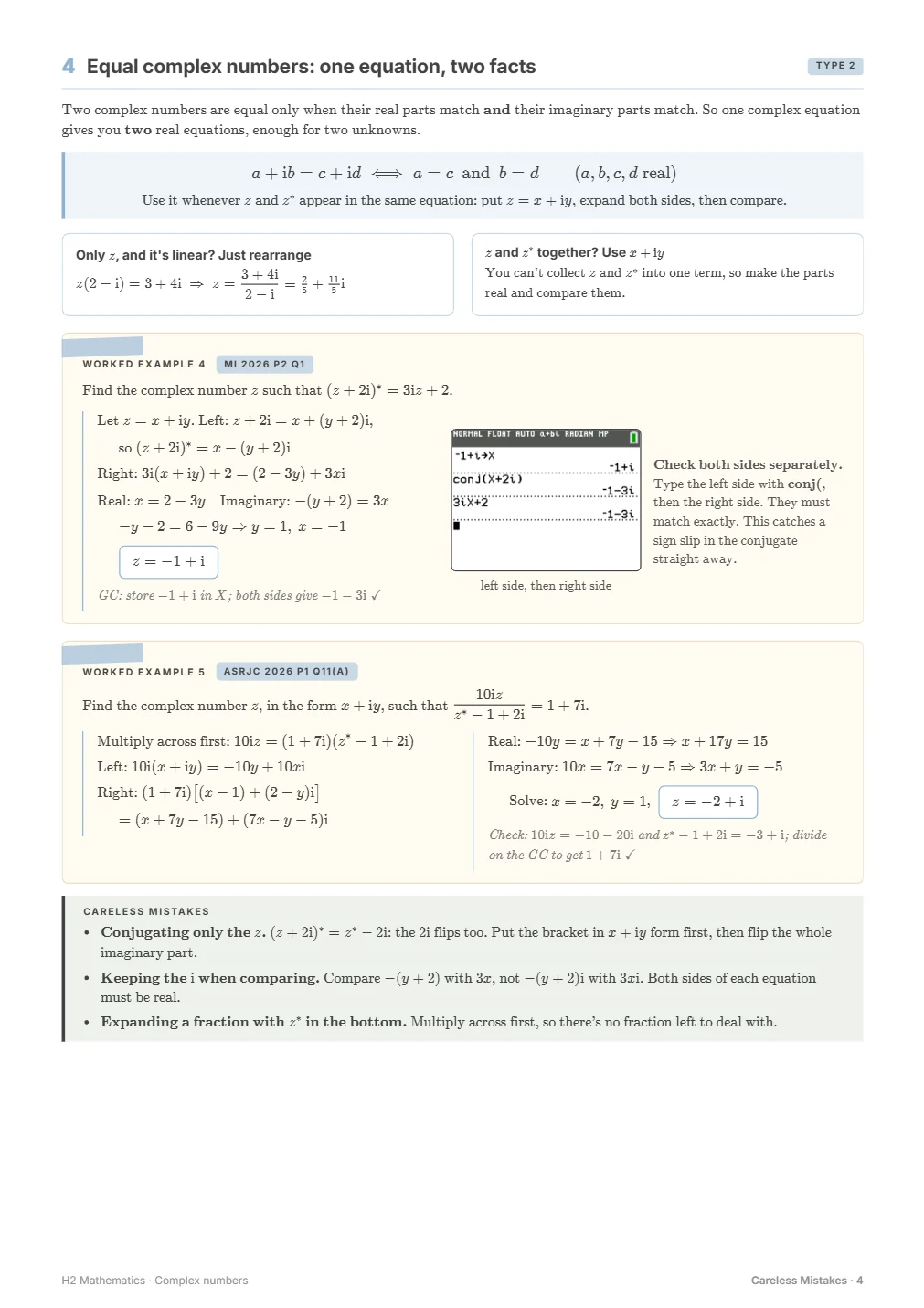
The screen you should see
The keystrokes, then the actual TI-84 Plus CE screen. Type the same thing. If your number matches, you're done with that line.
Careless mistakes
The slips that cost marks in that section, written out, so you can spot them in your own working before the marker does.
Then a "Your turn" page
Every note ends with practice questions sorted by type, with the answers underneath.
Real calculator screens. Captured, not drawn.
About 80% of the marks on an H2 Maths paper can be checked on the GC, but most students only use it to sketch graphs. These notes show you the check for each type of question, and the screen you should land on.
- Integration
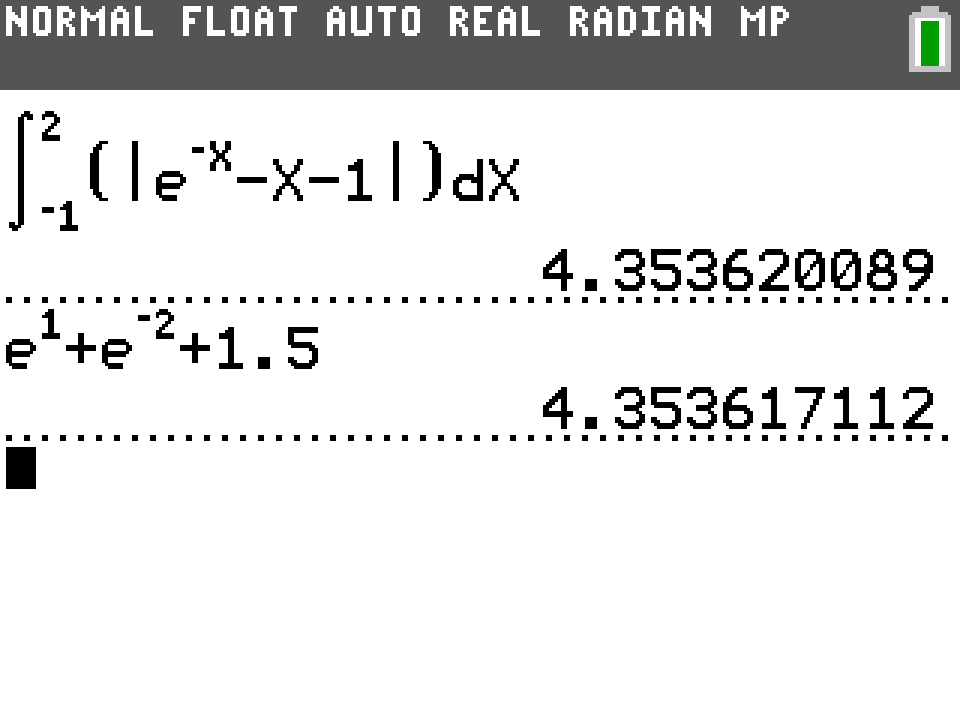
fnInt agrees with your exact answer
- Functions
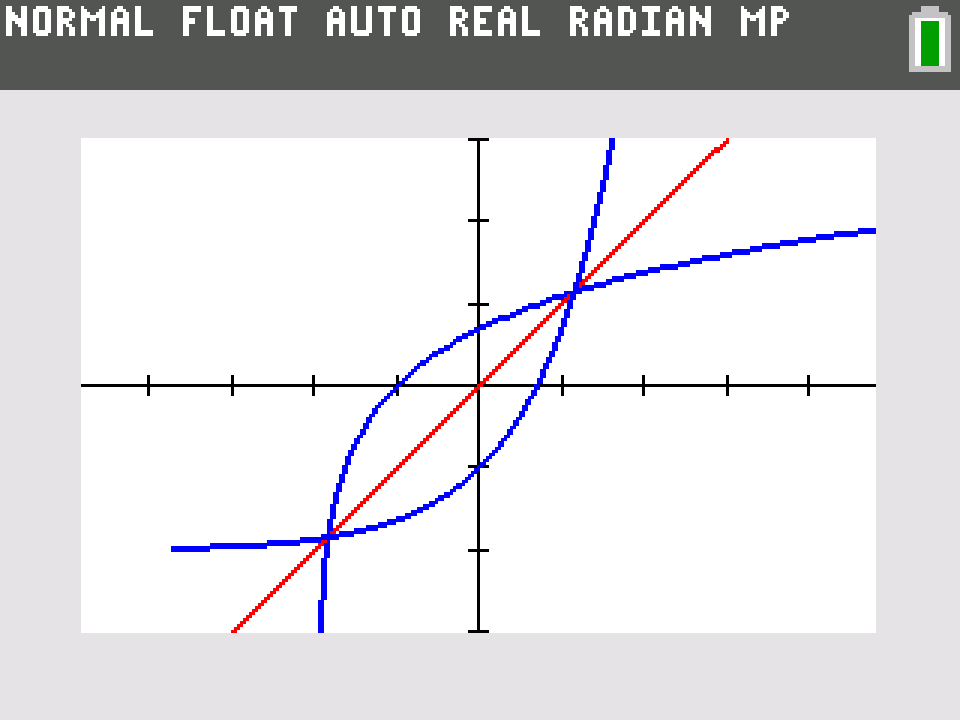
DrawInv: f and f−1 meet on y = x
- Sequences and series
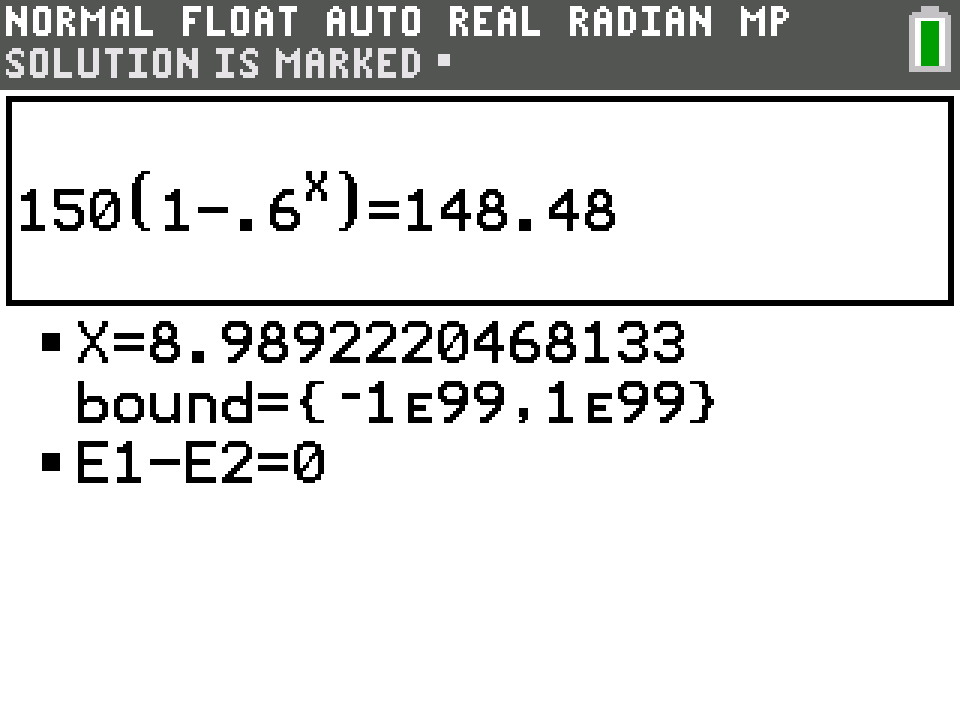
Numeric Solver, when the algebra gets stuck
- Complex numbers
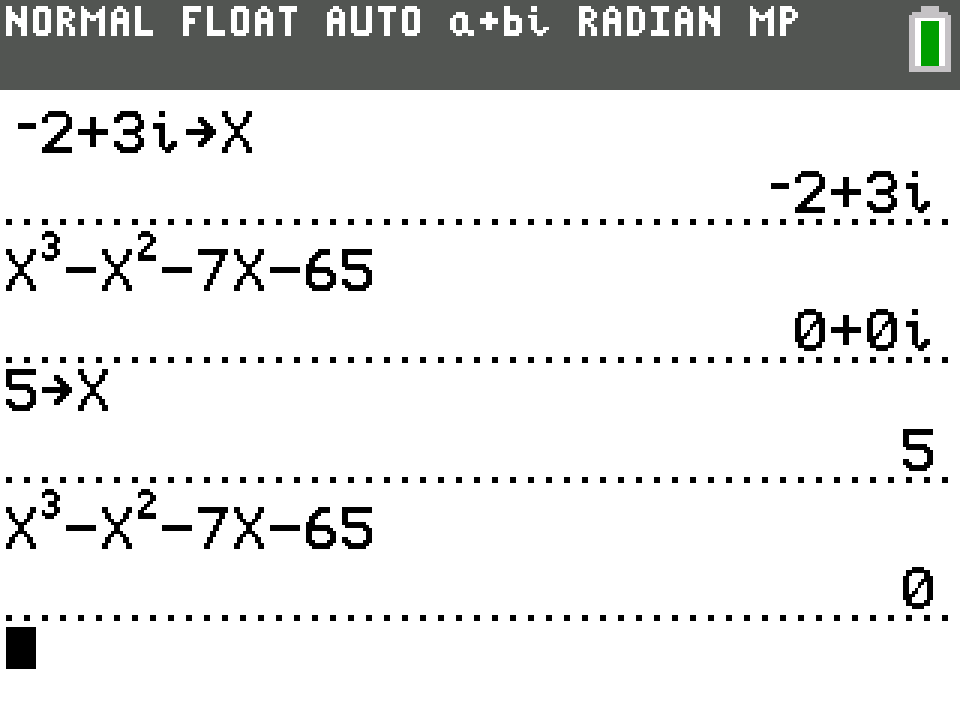
Is −2 + 3i a root? Store it, get 0
- Graphs
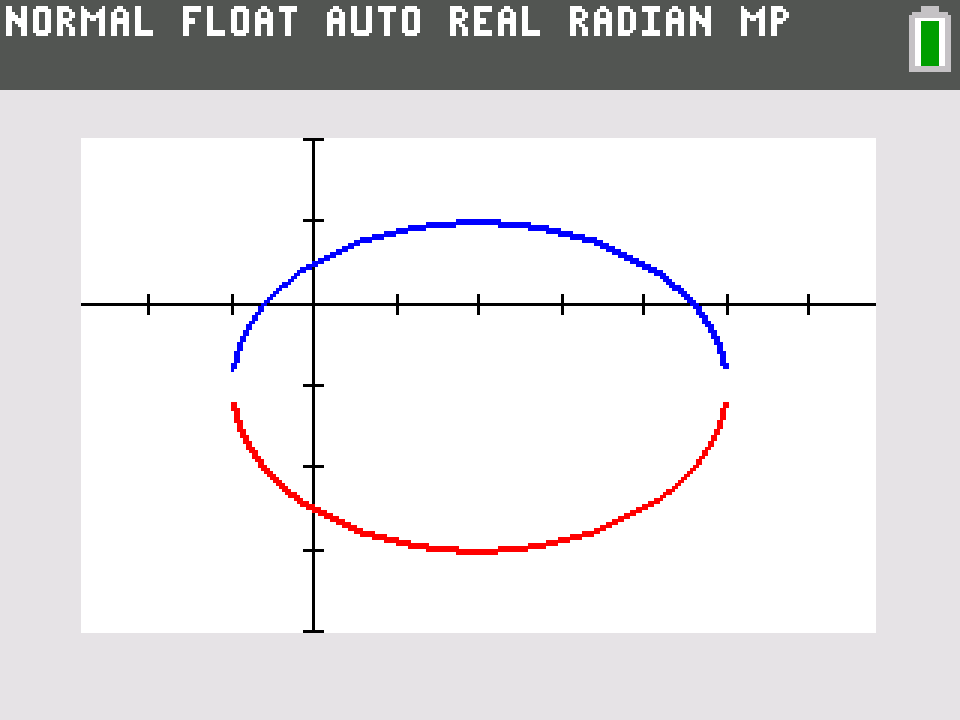
An ellipse, entered as two halves
- Maclaurin series
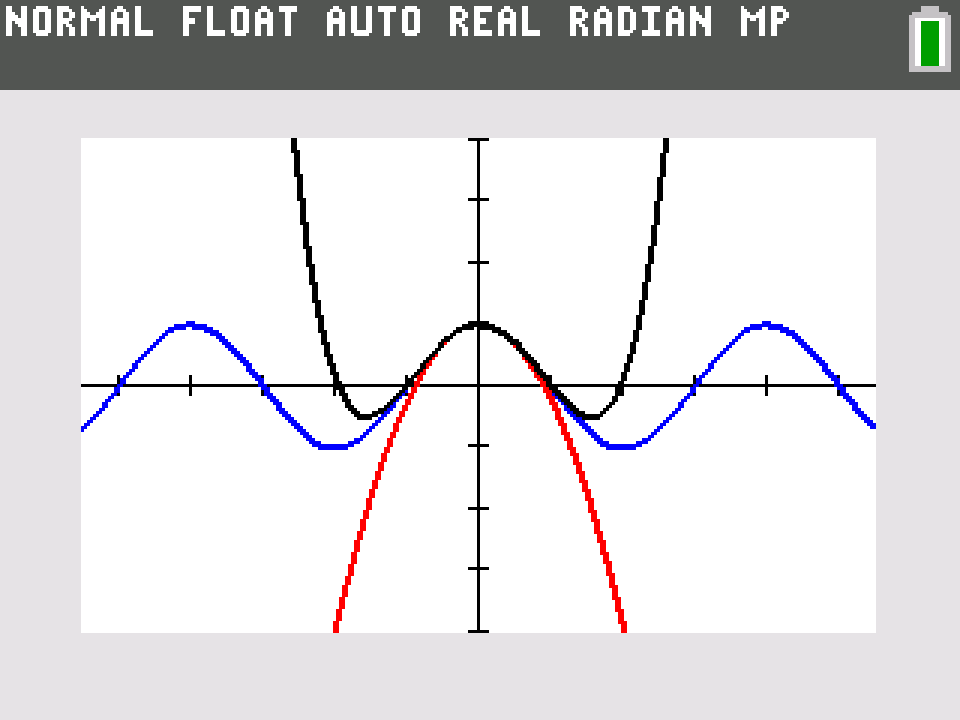
The series hugs the curve near x = 0
- Inequalities
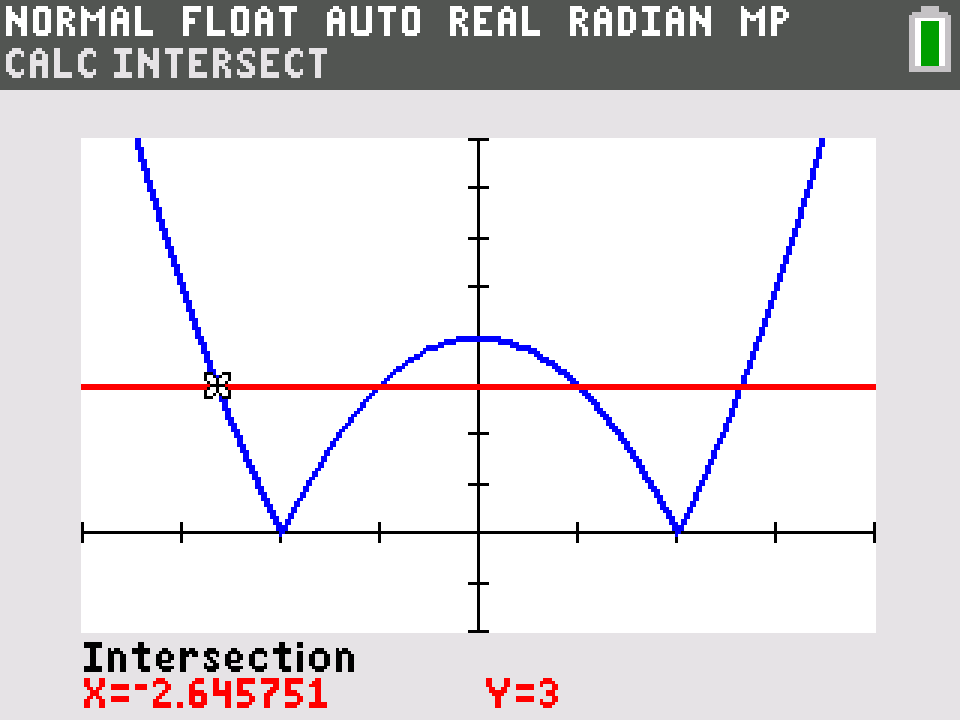
Modulus inequality: read off the intersections
- Differential equations
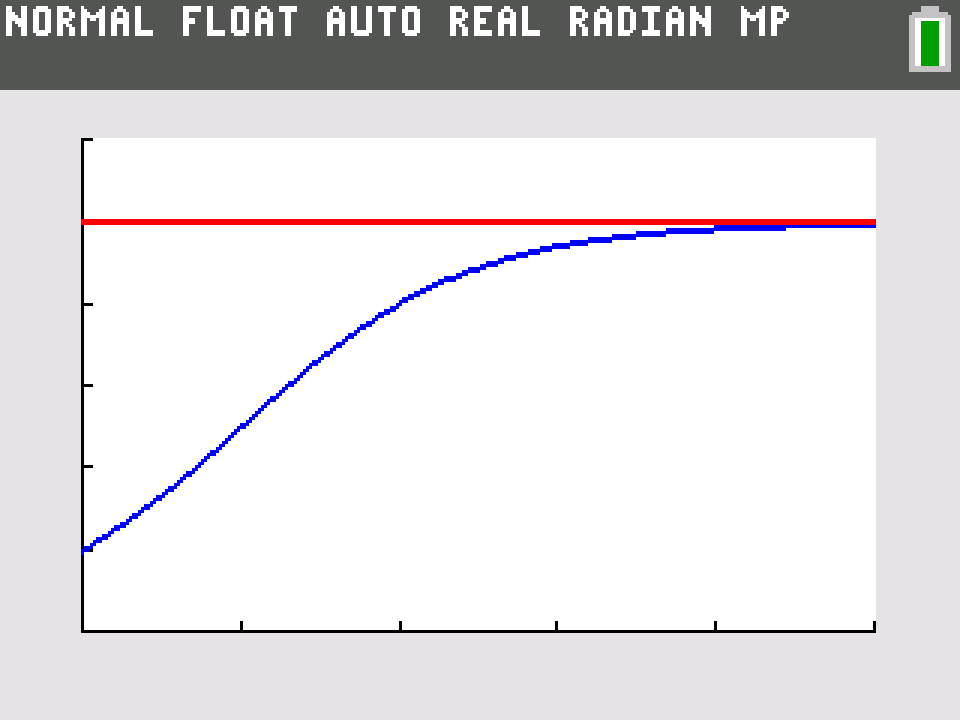
The logistic solution levels off
- Sequences and series
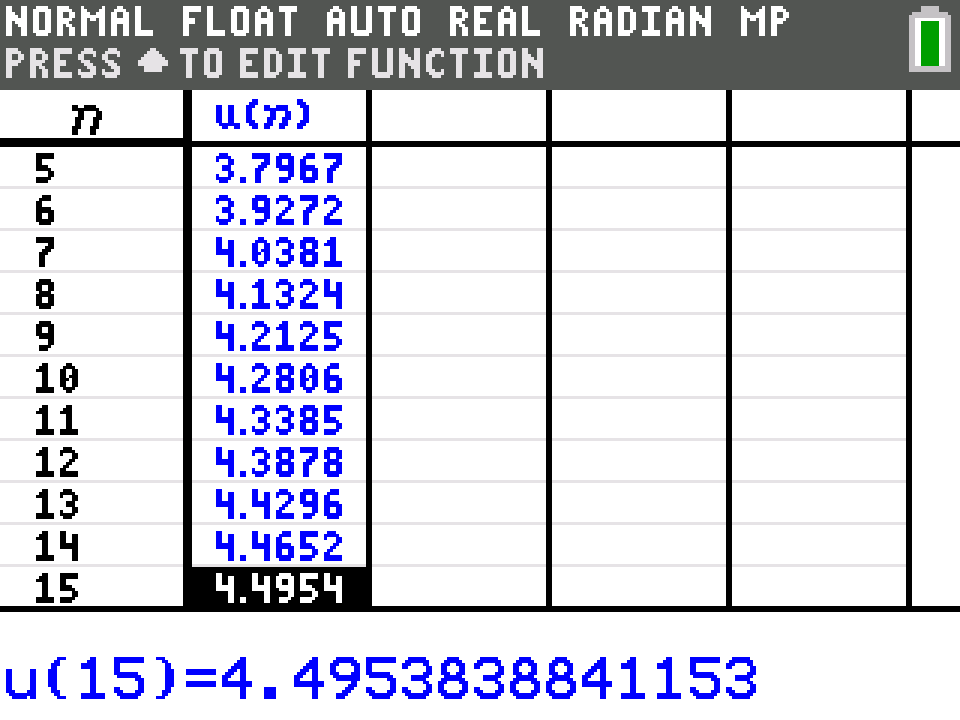
A recurrence, read off the table
- Integration
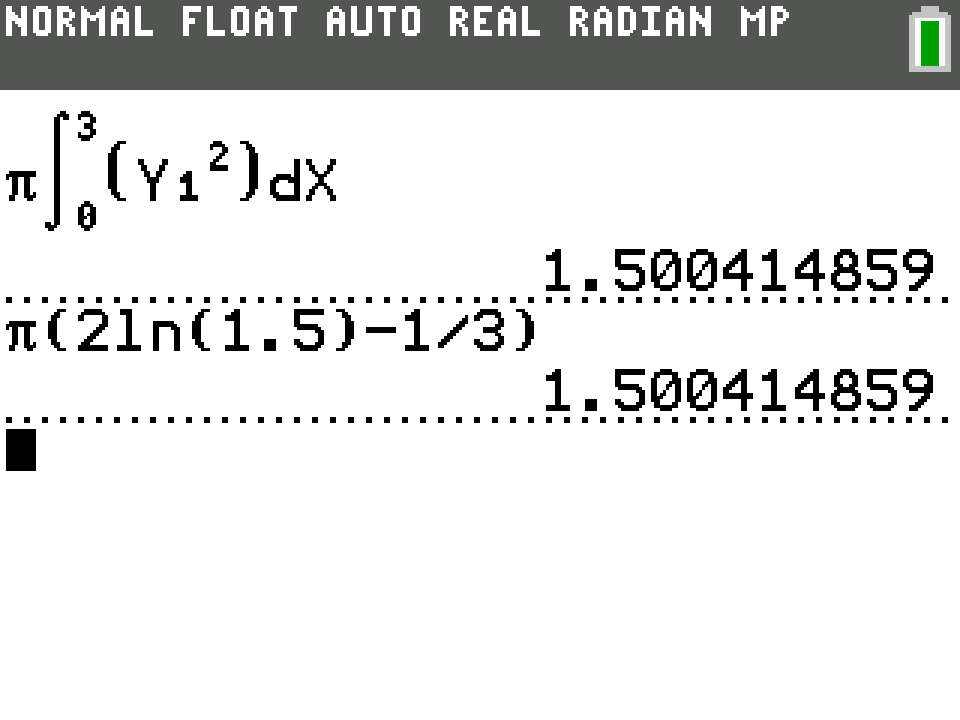
Volume of revolution, checked
- Graphs
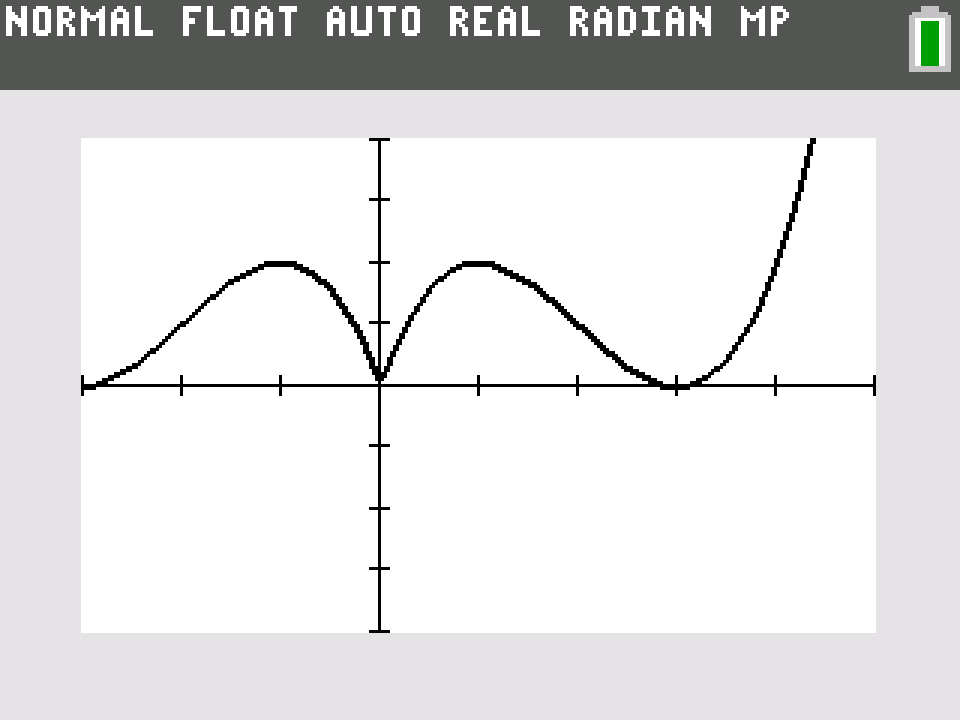
y = |f(x)|: the part below the axis flips up
- Complex numbers
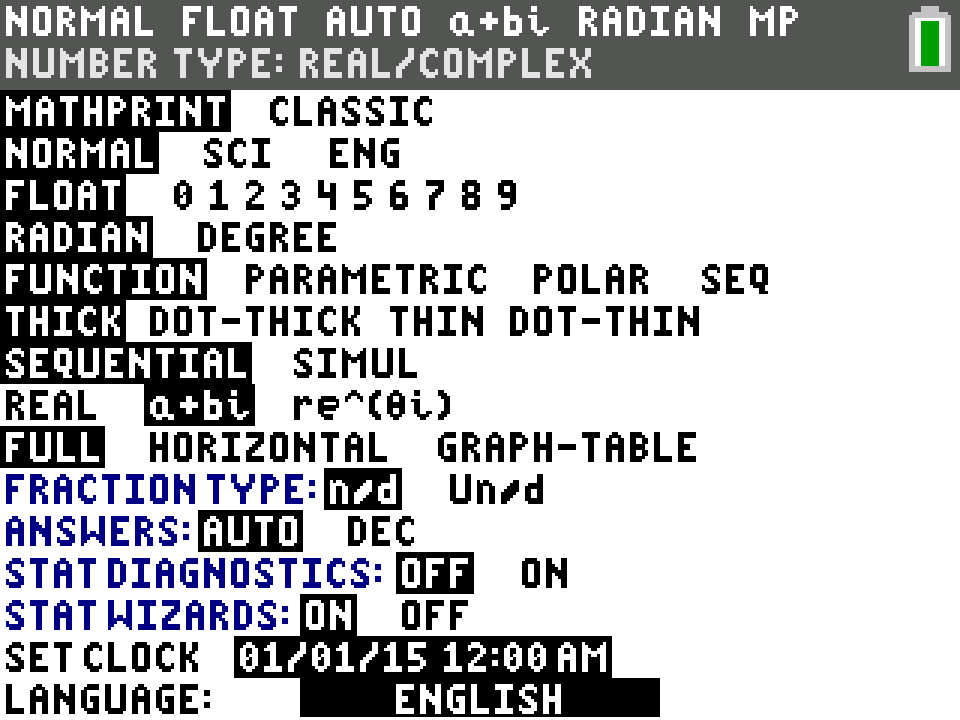
Switch to a+bi first, or it won't work
GC tools the notes teach
- fnInt for definite integrals
- d/dx at a point
- Σ template for sums
- Numeric Solver
- TABLE for "least n"
- intersect and zero
- a+bi mode and conj(
- DrawInv
- PlySmlt2 for simultaneous equations
- Parametric mode
Seen enough?
Every topic follows this layout. Pick the ones you need.